

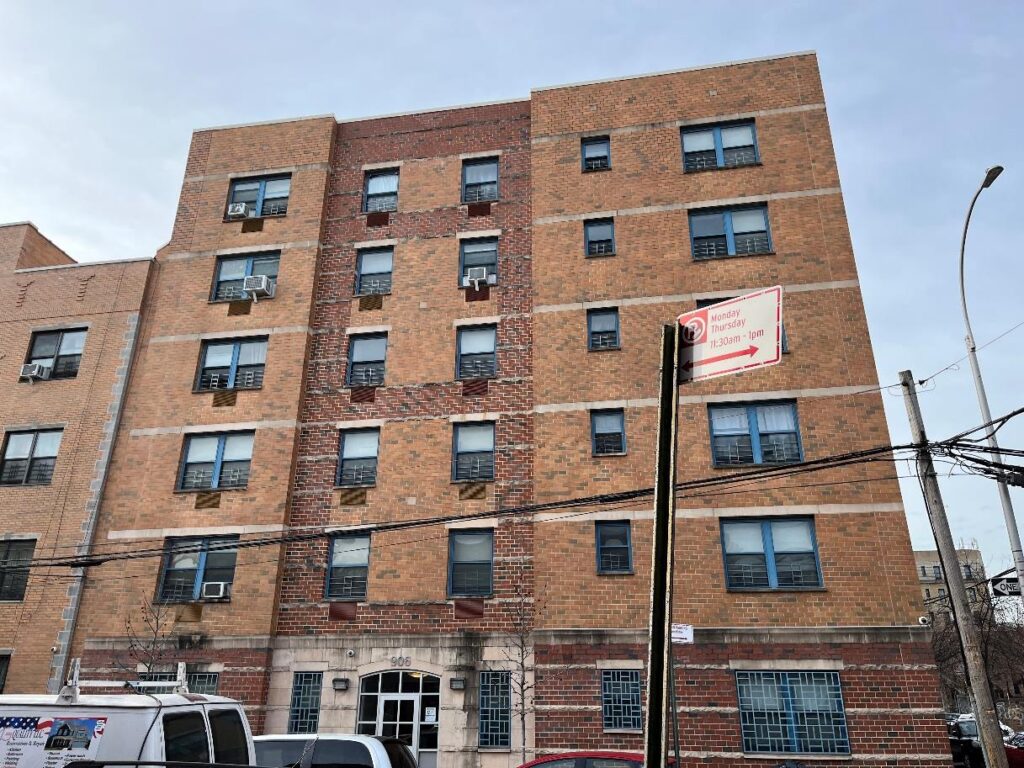
At EP Engineering, we understand that successful rehabilitation projects begin with a clear understanding of existing building conditions, capital needs, and long term planning goals. For many affordable housing developments financed or regulated through New York City Department of Housing Preservation and Development (HPD), that process often starts with an IPNA report, i.e. an Integrated Physical Needs Assessment.
An IPNA is a comprehensive building evaluation used to identify immediate repair needs, long term capital improvements, code considerations, energy opportunities, and reserve planning requirements. These reports are commonly required at the outset of HPD preservation, refinancing, recapitalization, and rehabilitation projects to help ownership teams, lenders, and agencies understand the true condition of a property before design and construction begin.
What Does an IPNA Report Typically Include?
An IPNA generally reviews all major building systems and components, including:
- Building envelope (roofing, façade, windows, waterproofing)
- Mechanical systems (boilers, heating, cooling, ventilation)
- Electrical infrastructure (service, distribution, lighting, emergency systems)
- Plumbing systems (domestic water, sanitary, gas piping)
- Elevators and life safety systems
- Interior common areas and apartment conditions
- Accessibility and code compliance considerations
- Sustainability, resiliency, and energy efficiency opportunities
- Capital replacement schedules and budget forecasting
The report combines site observations, unit sampling, document review, interviews with maintenance staff, and cost estimating to create a prioritized roadmap of improvements.
How EP Uses IPNA Reports to Define Project Scope
At EP, the IPNA serves as a valuable starting point for developing an informed and strategic design scope. Once the report is issued, our engineering team carefully reviews the findings related to MEP/FP systems and translates those recommendations into practical design solutions.
We use the IPNA to help determine:
- Which systems should be repaired versus fully replaced
- Whether existing utilities have adequate capacity for upgrades
- Opportunities for electrification or decarbonization
- Boiler plant, DHW, ventilation, and controls modernization needs
- Apartment electrical upgrades for new appliances or heat pumps
- Fire protection and fire alarm improvements
- Phasing strategies for occupied, tenant-in-place renovations
- Budget alignment between recommended needs and project goals
This process allows owners and development teams to move from a general assessment into a focused design and construction plan.
Why It Matters
An IPNA helps reduce surprises later in the project by identifying hidden deficiencies early, improving budget accuracy, and prioritizing investments where they will have the greatest impact. For affordable housing owners, it is also a critical tool for preserving assets, improving resident comfort, lowering operating costs, and supporting long-term compliance requirements.
EP’s Advantage
Our team has extensive experience using IPNA reports to guide renovations of occupied multifamily and affordable housing properties throughout New York City. By combining technical engineering expertise with practical construction planning, we help clients turn assessment findings into efficient, code-compliant, and cost-effective improvements.
When used properly, an IPNA is more than a report but a roadmap to a smarter rehabilitation project.
Where an IPNA identifies the needs. EP delivers the solutions.